

It is Human to Worry

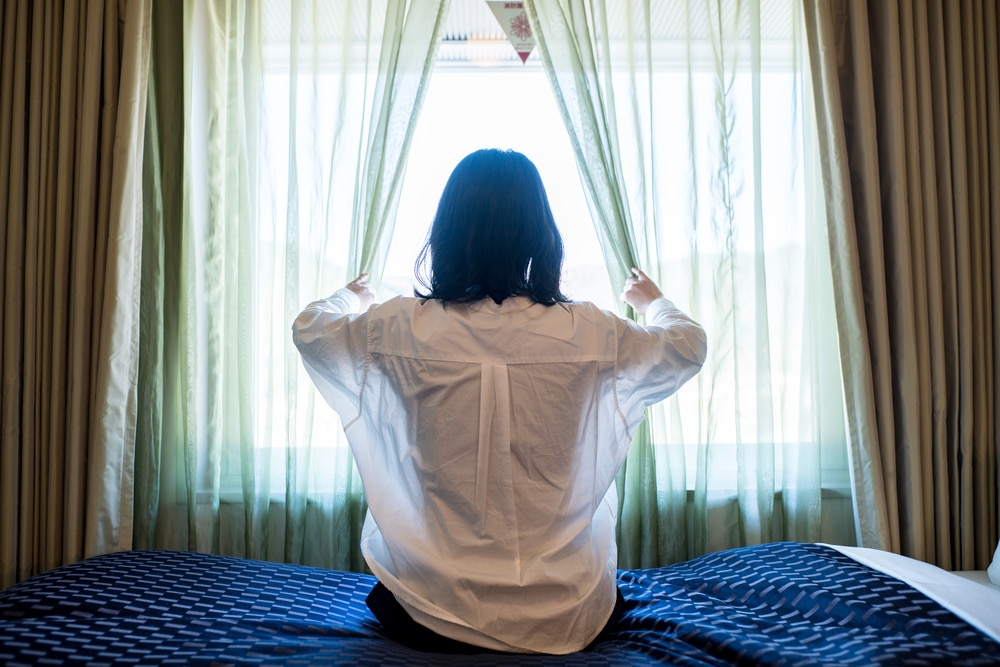
I am a planner. I like to anticipate what is coming and prepare. Great, right? So organized and thoughtful… what could go wrong? Well, as with most traits, too much of something can be a problem. Also, planning often leads to worrying about things that may never happen. Wait, is it actually worrying that leads to planning? It is true that worrying has been a challenge for me, and I have been really intentional about working on this, but sometimes it surges up and I have to get a handle on it. I got a lesson in this a couple of weeks ago when I was worried about some pain in my shoulder that was getting worse instead of better. I knew I had overdone it at the gym last month, and then with my day-to-day activities demanding much of my body, it got worse instead of better. I thought I should hope for the best and plan for the worst, as they say. I thought: What if I need surgery? What if I have to miss a lot of work? What if I can’t babysit my grandchildren until this heals? As I lay in bed, I thought, What if I can’t fall to sleep tonight? What if I can’t function tomorrow? What would happen if each of these challenges comes to be? I need a plan for every possibility!
Studies show that a little worry can be helpful. It can initiate planning and help us recognize problems so that we can address them. However, too much worrying can be paralyzing and make it hard to take action at all. It is good to be in the “optimal zone” where we care enough to do something, but we are not frozen by too much anxiety. This is illustrated by the Yerkes-Dodson Law, “a psychology principle stating that performance improves with mental arousal– like excitement or alertness – up to an optimal point. Beyond that point, too much arousal causes performance to drop” (From SimplyPsychology.org).
It is a very human thing to get stuck in over-worry. It is our survival system which has just ramped up too much to be helpful. When this happens, it is important to notice and take care of ourselves so we can move back to a place where we can function with more calm and confidence.
Lying there noticing I had rapidly moved into a state of un-helpful worry that night, I was ultimately able to use some of the tools I offer to others in therapy. I took some deep breaths and imagined taking a walk in the cool pines. Soon I was asleep. The next day, I saw my doctor who did not think I would need surgery. She referred me to a local physical therapist, and now, about two weeks later, I am much better and full healing is in sight. While I had to back off some more vigorous activity, I did not have to miss work or skip babysitting. And I was reminded that I need to continue to take care of myself in these moments while forgiving myself for being a worrying human in my response to a challenge. I wish all of you the same: go easy on yourselves for getting stressed, AND take care of yourselves so that you can spend more time in the calm and confident “optimal zone.”
Recent Articles
-

High-Conflict After Betrayal: Why Couples Swing Between “We’re Done” and “We Can Fix This”
-
It is Human to Worry
-

Making Room for Your Identity to Grow: How a Series of Small Yeses Can Lead to Meaningful Change


Subscribe and thrive.
Subscribe to receive the latest stories, thought leadership, and growth strategies from PCS therapists.